The Definitive Guide to Storing and Displaying Your Hot Wheels Collection
The Foundation of Long Term Preservation
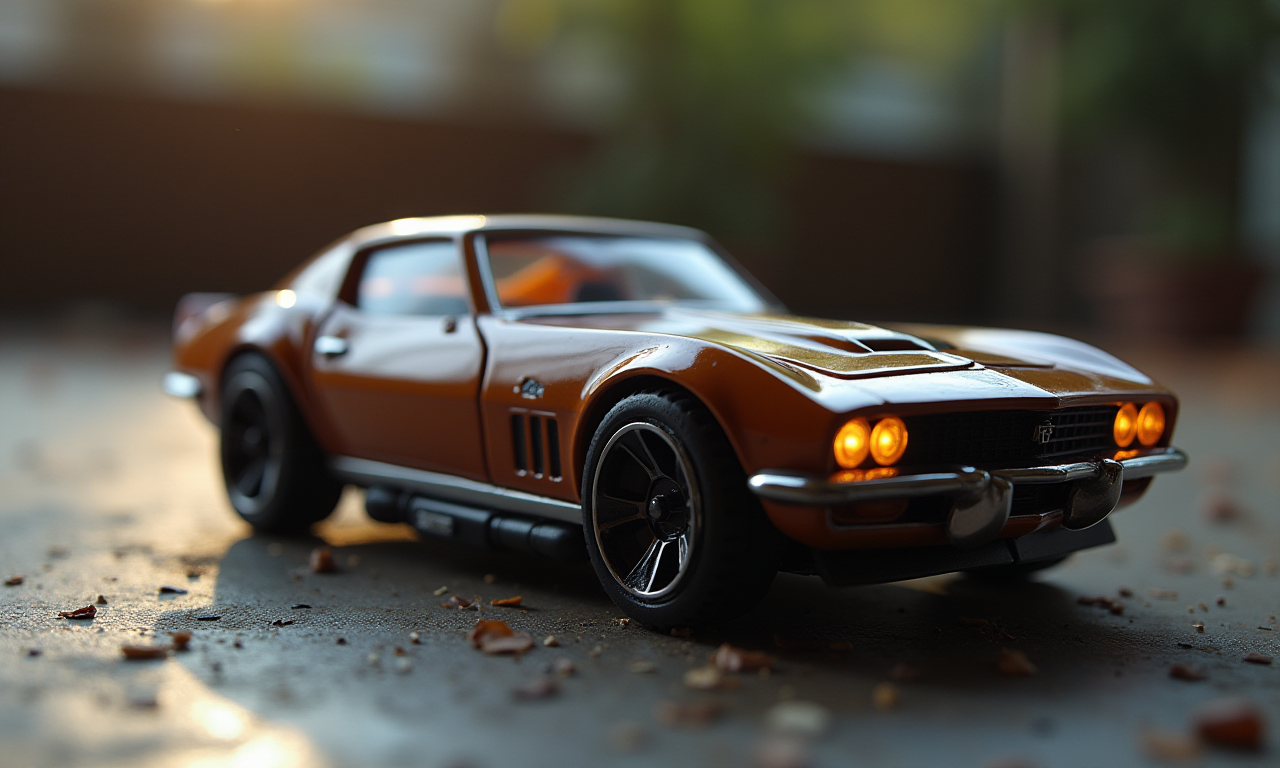
I have spent over 20 years hunting pegs at discount stores and trading at collector meets. I have watched pristine cards turn yellow and blister seals crack from simple neglect. Storing Hot Wheels is not just about keeping cars off the floor. It is about fighting time and chemistry. The cardboard backing contains lignin and other compounds that break down when exposed to light and heat. The plastic blister is prone to oxidation and static buildup. When you buy a fresh find at the store, you are starting a countdown. Your job is to slow that clock down. Every card corner needs protection. Every blister needs a stable environment. You do not need expensive museum grade equipment to start. You just need consistency and the right materials. I have learned this the hard way after losing a few early 1970s castings to improper storage. Now I treat every new acquisition like a temporary loan from the factory.
Understanding Card Stock and Blister Degradation
The paper used for standard 1 over 64 cards changes across different eras. Older stock tends to be more brittle. Modern cards use heavier stock with different coating processes. Both types suffer from the same enemies. Direct sunlight breaks down the ink and dries out the glue. High humidity encourages mold growth and weakens the cardboard fibers. The plastic window is equally sensitive. UV rays make the PET or PVC material cloudy and stiff. Once the plastic becomes brittle, it cracks along the seams. That crack compromises the factory seal and drops the grade instantly. You must keep cards away from windows and fluorescent lighting. Fluorescent bulbs emit UV radiation even if they look white. LED lights are much safer for display areas. I always recommend turning off display lights when you leave the room. Continuous illumination accelerates fading on Spectraflame paint finishes and Real Riders rubber tires. The rubber in Real Riders can also dry rot if stored in stagnant air. Air circulation matters just as much as light control.
Always use acid free polypropylene sleeves. Never use PVC plastic sleeves. PVC off gasses and will permanently stain your card stock within 12 months. The difference in material quality separates preserved collections from damaged ones.
- Use 4 mil or 6 mil polypropylene sleeves for standard cards. Thicker sleeves resist tearing during handling. Store cards vertically in archival boxes. Horizontal stacking puts pressure on bottom cards and causes corner bending. Keep a consistent room temperature around 68 degrees. Avoid garages and attics where temperatures swing wildly. Handle cards only by the edges. Oils from your fingers leave permanent residue on the card surface.
Choosing the Right Display Method for Your Space
Cabinet Systems vs Open Shelving
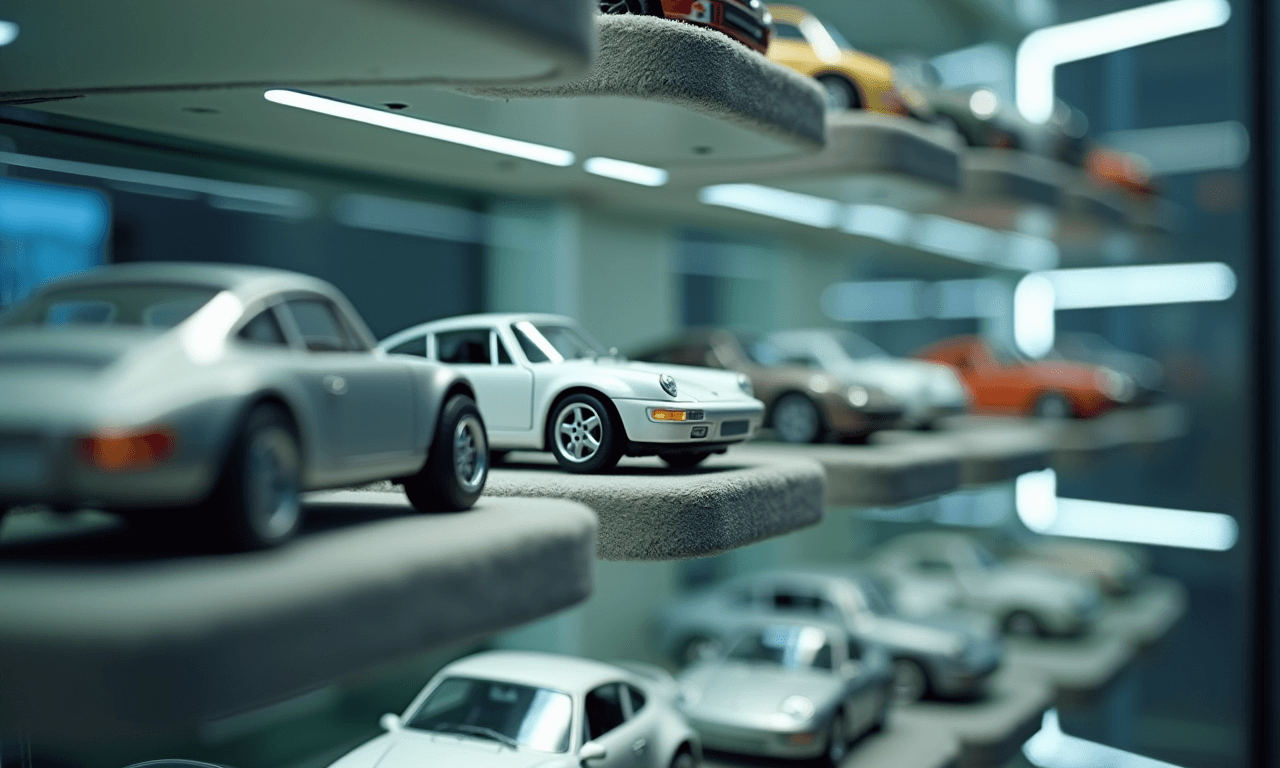
Peg hunting gives you a steady stream of new additions. You need a system that scales without breaking your budget. Open shelving looks great but exposes every card to dust and accidental knocks. Glass cabinet systems offer protection but require regular cleaning. Fingerprint smudges on glass ruin the viewing experience. I recommend a hybrid approach. Keep your most valuable finds in sealed cabinets. Use open shelves for your daily viewing rotation. This method reduces dust accumulation while keeping your favorite pieces accessible. I rotate my display every 6 months. This gives each card a rest period in climate controlled storage. It also keeps the display fresh for guests. Modular shelf dividers help you adjust spacing as your collection grows. The 1 over 64 standard size fits neatly on 12 inch deep shelves. Loose diecast cars need separate protection. Display cases with individual slots prevent scratches on chrome and painted details.
- Measure your wall space before buying furniture. Standard hot wheels cards measure approximately 3.5 inches wide and 5.5 inches tall. Leave 2 inches of clearance above each card to prevent top edge damage. Install cabinet shelves with adjustable brackets. This allows you to swap out dividers as your storage needs change. Anchor tall display units to the wall. Safety matters when you have heavy shelves full of valuable collectibles.
Environmental Control and Daily Maintenance
Temperature, Humidity, and Air Quality
Climate is the silent killer of diecast collections. Rapid temperature changes cause materials to expand and contract. This movement stresses the glue holding the car to the card. Over time, that stress leads to delamination. You will see the car slowly detach from the backing. Humidity control is equally important. High moisture levels promote paper deterioration and metal oxidation. Low humidity makes plastic brittle and causes rubber tires to crack. A digital hygrometer costs less than 10 dollars. Keep it on your shelf. Aim for 45 to 55 percent relative humidity. If your home runs dry in winter, use a cool mist humidifier placed away from the display. If your basement storage leans damp, run a dehumidifier until the reading stabilizes. Air quality also plays a role. Cooking fumes, cigarette smoke, and strong cleaning chemicals leave invisible residues. These chemicals settle on plastic and cardboard. They accelerate yellowing and cause permanent discoloration. Keep your collection in a dedicated room or sealed cabinet. Fresh air is good. Stale chemical air is not.
Place silica gel packs inside every storage box and display cabinet. Replace or recharge the packs every 3 months. This simple step absorbs excess moisture and prevents condensation on blister windows during seasonal changes.
Maintenance does not require daily effort. A monthly inspection routine works perfectly. Check for new dust buildup. Wipe glass surfaces with a microfiber cloth and distilled water. Never use glass cleaner on display cases. Alcohol and ammonia damage plastic seals and strip protective coatings. Inspect sleeve edges for wear. Replace frayed sleeves immediately. Rotate cards that sit near heat sources or vents. Consistency beats intensity. You do not need to obsess over perfect conditions. You just need to maintain a stable baseline. Small adjustments over 5 years prevent major damage later. I keep a maintenance log in my phone. It reminds me to check humidity levels and swap silica packs. The habit takes 2 minutes a month. It saves hours of restoration work down the road.
Organizing by Series, Case Code, or Personal Preference
Building a Logical Tracking System
Case codes are your best friend when sorting thousands of cards. Each code represents a specific production year and series run. The letter indicates the year. The number indicates the casting or series position. Sorting by case code creates a natural chronological flow. It also makes it easy to spot missing years in your collection. Some collectors prefer organizing by color. Others group by vehicle type like muscle cars or trucks. Both methods work. The key is picking a system and sticking with it. Changing systems mid project creates duplicate work and frustration. I use a hybrid approach. Primary sorting follows case code. Secondary sorting groups by series theme within that code. This keeps related releases together while maintaining chronological order. Spreadsheet tracking helps visualize gaps. You can log every acquisition with the case code, series name, and purchase date. Digital photos speed up inventory checks. You do not need to pull every card to verify what you own. A quick scroll through your phone shows exactly what needs storage space.
- Create dedicated folders for each decade. Label boxes clearly with start and end case codes. Use removable tape labels. Permanent adhesive leaves residue that damages cardboard. Photograph every card before sleeving. This protects your inventory records if storage boxes shift during moves. Review your tracking sheet quarterly. Update notes on condition changes or new acquisitions. Keep backup copies of your inventory list in the cloud. Physical storage boxes can get lost. Digital records survive anything.
Do I need to store cards in complete darkness?
You do not need total darkness. You just need to eliminate direct sunlight and limit artificial UV exposure. Indirect room lighting is perfectly safe for long term storage. Keep cards in closed cabinets when not actively viewing them. This reduces cumulative light exposure without hiding your collection forever. Rotate display pieces regularly to prevent uneven fading on specific cards.
Can I clean dirty blister windows before sleeving?
You can gently remove loose dust with a soft microfiber cloth. Do not apply pressure near the sealed edges. Never use water, soap, or chemical sprays on the plastic. Moisture can seep behind the seal and damage the card backing. Static buildup is normal and harmless. It does not affect the paint or metal casting. Focus on keeping the storage environment clean instead of scrubbing individual cards. Prevention beats correction every time.
How do I handle loose diecast cars without original cards?
Loose cars need individual protection to prevent paint chipping and chrome scratching. Use acid free foam trays with custom cut slots. Store each car face up to protect the painted roof and windows. Keep rubber tires from touching rough surfaces. Real Riders tires absorb oils from cardboard. Place a thin layer of acid free tissue between the car and the tray base. Label each compartment with the casting name and year. Loose collections require extra care since they lack the factory seal. Consistent handling and proper foam support will keep them in pristine condition for decades.