Spotting the Ghosts: The Definitive Guide to Hot Wheels Prototypes
What Actually Qualifies as a Prototype
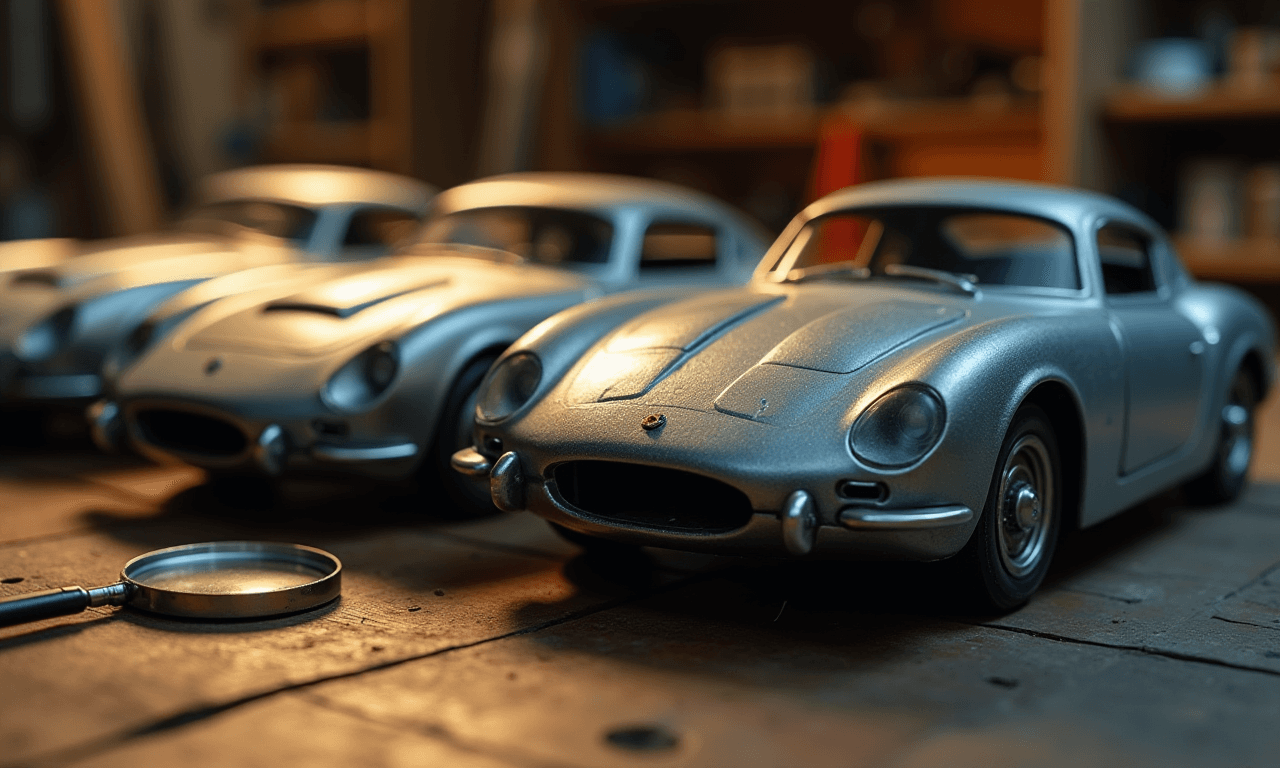
I have spent 20 years chasing pegs and sorting through warehouse pallets. The word prototype gets thrown around too loosely in the diecast hobby. True prototypes are the physical test mules Mattel design teams use before full production begins. They exist to validate a new casting. They check how the plastic or metal base handles. They test how the paint chemistry reacts to the blister packing process. They are not mistakes. They are deliberate engineering samples. Many newcomers confuse factory errors with prototypes. A car with a misaligned wheel or a paint splash is just a production error. A prototype shows intentional development markers. You will see them in the design studio. You might find them in trade show displays. Some survive as office handouts or convention giveaways. Understanding this distinction saves you from overpaying for a simple assembly line defect.
The Difference Between Test Mules and Production Errors
Mattel runs massive production lines for their mainline and specialty series. The tolerance for error is tight. When a car misses the quality control check, it becomes a reject. Rejects sometimes leak into the wild. They are interesting. They are not prototypes. Prototypes carry the DNA of the design phase. They often feature unpainted bases. They might have different wheel types than the final release. The card art is usually a placeholder or a scanned render. The blister molding might be slightly thicker or thinner. I have held cars where the rear axle was still loose. I have seen bases stamped with internal project codes instead of the standard Made in Malaysia or Made in Thailand markings. These pieces represent the blueprint coming to life. They capture the moment before the factory stamps down for the 1 millionth unit.
The Visual Clues Every Peg Hunter Needs to Know
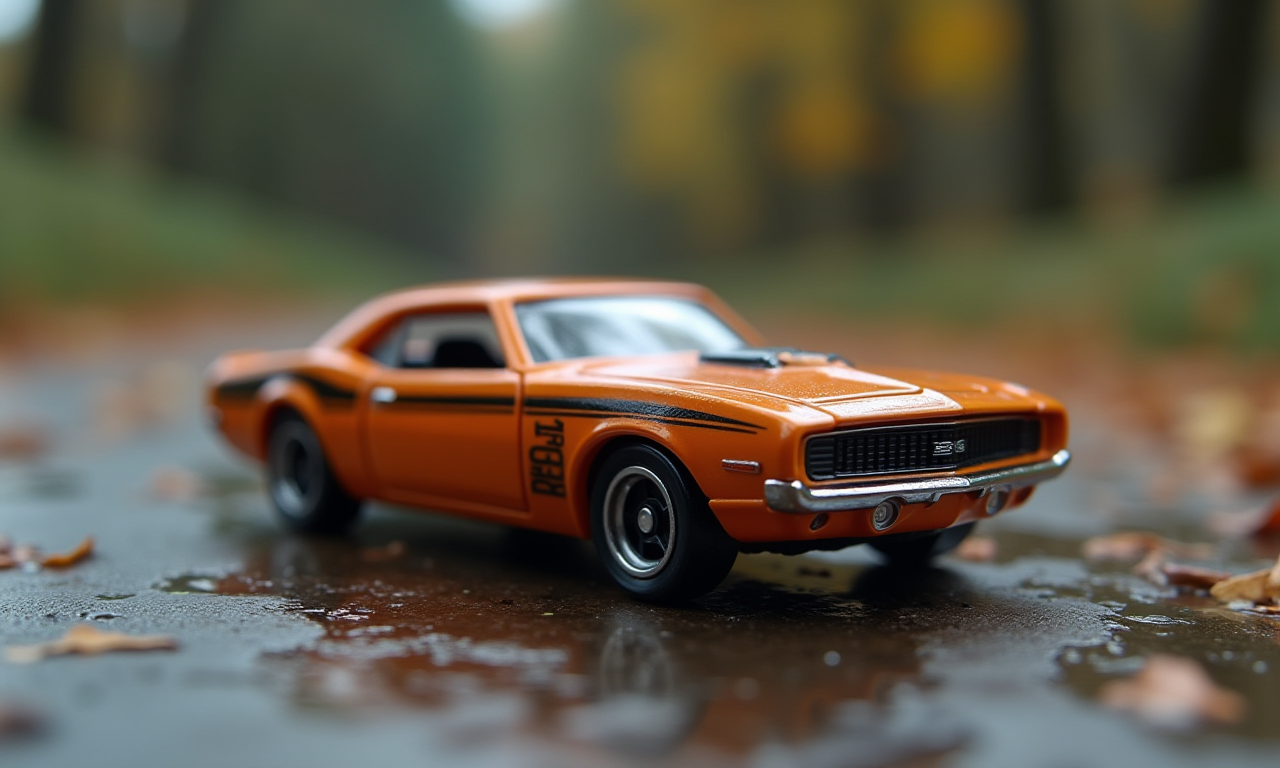
Spotting a genuine prototype requires a trained eye. You need to look past the hype and examine the physical construction. Start with the base. Production cars have crisp, standardized base stamps. Prototypes often show softer details or missing country of origin text. The paint finish tells another story. Mattel frequently tests Spectraflame paints on prototype bodies. You might notice a slightly different hue than the final release. Sometimes the clear coat is heavier. Other times it is completely absent. Real Riders tires on prototypes can look noticeably different. The rubber compound might be softer. The tread pattern could be slightly shallower. These variations happen because the design team is still dialing in the manufacturing process. The packaging gives away the biggest tells. Card corners on early test runs are often sharper. The blister seals lack the clean, uniform heat pattern of mass production. You will see minor bubbles or uneven edges where the plastic met the card.
Reading the Base Stamps and Case Codes
Case codes are the backbone of modern Hot Wheels collecting. They tell you exactly when and where a car was made. Prototypes usually break this system. You might find a base with no case code at all. You might see a handwritten marker on the bottom. Some prototypes carry an internal Mattel design number that never made it to the retail shelves. I always recommend photographing the base from multiple angles. Good lighting reveals the stamp depth. Shallow stamps often point to early resin or soft metal test pieces. Deep, crisp stamps indicate later prototype runs that used actual production tooling. Keep in mind that Mattel sometimes runs small prototype batches on the same lines as regular production. This means you can find a prototype that looks nearly identical to a retail car. The difference lies in the documentation and the subtle base variations.
- Check for placeholder card art or unregistered design renders
- Look for unpainted or partially painted bases
- Examine wheel nuts for different plastic colors or missing details
- Verify blister thickness against known production examples
- Search for handwritten notes or internal project codes on the base
Always compare a suspicious piece against a verified production run. If the base stamp alignment is off by even a few millimeters, you might be holding a test mule. Never buy based on a blurry photo alone.
Navigating the Grey Market and Modern Reproductions
The internet made collecting easier. It also opened the door for counterfeiters. Aftermarket castings have flooded the hobby. Some are sold as rare prototypes. They are usually cast from production cars or modified with fake base stamps. Smart collectors know to scrutinize the metal quality. Real Hot Wheels prototypes use the same zinc alloy as retail cars. The weight distribution feels familiar. Fake pieces often feel lighter or heavier. The paint application on reproductions usually lacks the factory precision. You will see overspray on the tires. You will notice uneven wheel gaps. The cardstock is another giveaway. Mattel uses specific paper stock for their cards. Reproduction cards often feel thinner or have a different gloss finish. I have seen sellers claim a piece is a 1997 Tomy era prototype. The card design did not match the era. The font was wrong. The legal text was missing. Always cross reference your finds with trusted collector databases.
Why Condition and Provenance Matter More Than Hype
A prototype with a solid history is worth more than a mystery piece with a loud price tag. Provenance means tracking where the car came from. Did it come from a verified Mattel employee. Was it part of a documented trade show display. Does it have original photos from the design phase. Loose prototypes are common. They often come from convention tables or internal office giveaways. The lack of original packaging is normal. Do not let it scare you. Focus on the physical state of the diecast. Check for storage damage. Look for paint chips near the axle. Inspect the wheels for plastic degradation. Older prototypes sometimes suffer from wheel rot. The plastic yellows over time. A well preserved piece with clear ownership history will always outperform a damaged car with a vague backstory. The market rewards patience and verification.
Building a Prototype Focused Collection
Chasing prototypes requires a different strategy than peg hunting mainline cars. You cannot rely on store rotations. You need to build relationships. Connect with long time collectors. Join dedicated forums. Attend major diecast conventions. The real deals happen through trusted networks. Budget carefully. Prototype prices fluctuate wildly. Some pieces sit in the low 100s. Others cross 5 figures. The difference usually comes down to rarity and documentation. Start with your favorite brands. Focus on models you already collect. This keeps the hobby enjoyable. It prevents you from chasing ghosts that drain your wallet. Keep detailed records. Photograph every angle. Note the base markings. Store everything in climate controlled conditions. Avoid direct sunlight. UV light destroys Spectraflame and fades card art. Your collection will age gracefully if you treat it with respect.
Tracking Releases and Factory Test Runs
Mattel constantly tests new color combinations. They run small batches to gauge collector reaction. These test runs sometimes blur the line between prototype and limited edition. You might see a Real Riders tire test on a standard casting. The base will match production. The car will carry a valid case code. These are not true prototypes. They are production trials. True prototypes appear before the case code system even applies. They exist in the design phase. Knowing when to stop chasing is crucial. The hobby has plenty of genuine pieces that are affordable. You do not need to buy the most expensive car to have a meaningful collection. Document your finds. Share your knowledge. The diecast community thrives on accurate information. Help newcomers learn the difference between a test mule and a factory reject. That keeps the hobby honest.
How do I verify a loose prototype is genuine
Verification starts with physical inspection. Compare the base stamp to known production examples. Look for softer details, missing country markings, or internal project codes. Check the paint application and clear coat consistency. Examine the wheels for different plastic colors or manufacturing variations. Request high resolution photos from multiple angles. Ask the seller for provenance. A genuine prototype will have a logical origin story. It usually comes from a verified collector, a convention table, or a documented trade show display. If the seller cannot provide clear details, walk away.
Do prototypes hold value better than regular production cars
Prototypes generally hold value better, but not always. The diecast market is driven by demand and rarity. A common prototype with poor documentation will not outperform a pristine mainline car with a solid case code. True prototypes appreciate when they are scarce and well preserved. Condition is everything. Paint damage or wheel degradation will drop the value fast. The market also corrects itself. Hype dies down. Accurate pricing stabilizes. Collect for enjoyment first. Financial appreciation is a nice bonus. Never invest money you cannot afford to lose in a hobby.
Can I legally buy and sell Hot Wheels prototypes
Yes, buying and selling prototypes is completely legal. Mattel owns the intellectual property. They do not restrict the secondary market for physical test pieces. Collectors trade them openly at conventions and online marketplaces. The only legal issue arises with counterfeit items. Selling fake prototypes as genuine pieces violates intellectual property laws and marketplace rules. Always be transparent about what you are selling. Disclose any condition issues. Provide accurate photos. Honest trading builds trust. Trust keeps the hobby healthy for everyone.